
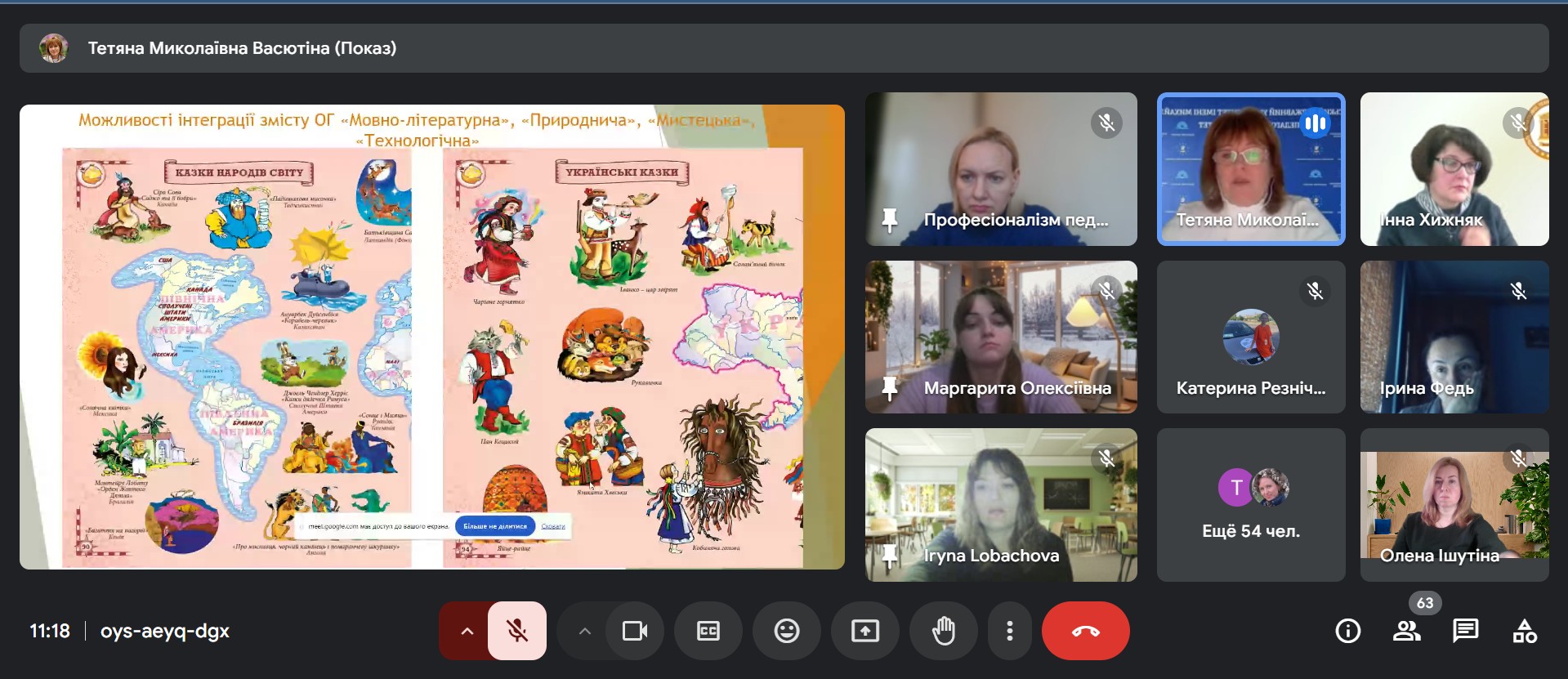
On December 7-9, 2024, a three-day intensive course "Media Education in Teacher Training" was held, aimed at developing the media competence of teachers and introducing media educational technologies into training future teachers.
The course participants were teachers of higher and postgraduate pedagogical education institutions. During three days of intensive training, participants in individual and group work mastered modern methods of implementing media education based on European practices. As part of the course, teachers received practical tools for working with media content and developed critical thinking skills in students. Special attention was paid to the practical application of the knowledge gained in the educational process.
We would like to thank our colleagues T. Vasyutin, Professor of the Department of Primary Education and Innovative Pedagogy of the Mykhailo Dragomanov Ukrainian State University, and V. Lepetyuk, Head of the Marketing Department of the State Scientific and Production Enterprise "Cartography", who shared with the participants of the intensive course their experience of working with digital cartographic manuals as modern media resources in the educational process of the National University of Ukraine. The course participants learned how cartographic materials become a powerful tool for media education, as they develop the critical perception of visual information, the ability to analyze and interpret different types of data, and skills in working with digital educational platforms.
The intensive course participants were also presented with the toolkit “Implementation of EU Media Education Practices into the Teacher Training”, developed by the team of the “EU Practices in Media Education” project. This comprehensive publication consists of four sections covering: theoretical and legislative foundations of media education in Europe, the role of media literacy in the digital age, media education in the system of social communications, and media education practices in the training of primary school teachers.
A feature of the toolkit is the organic combination of theoretical material with practical tasks, methodological advice, and digital resources. The publication also contains a bilingual glossary (in Ukrainian and English), revealing key terms of the media education semantic field.
Upon completing the final testing, participants received certificates attesting to completing 18 hours of professional development. The course was an important step in strengthening the media education component of future teacher training and improving the quality of higher pedagogical education in Ukraine.
We thank all participants for their active participation and look forward to further fruitful cooperation in implementing media education innovations in pedagogical practice.


